

Business Continuity Planning
Trusted by growing Australian businesses
- 150+ companies served
- 20+ industries
- Google customer reviews
- 100% Australia-based team

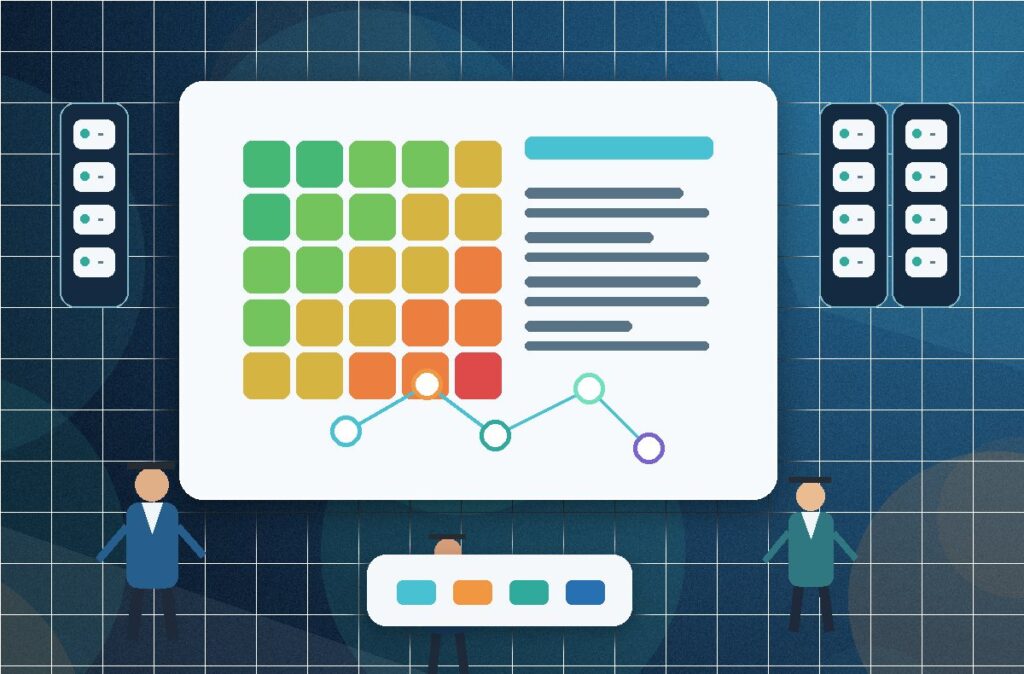
Map risk before it becomes downtime
Business continuity planning starts with a clear understanding of what would hurt your organisation most if it stopped working. Stanfield IT helps you identify the systems, people, suppliers, processes and data your business relies on, then turns that information into a practical continuity plan your team can actually use.
We assess likely disruption scenarios, including cyber incidents, cloud service interruptions, hardware failure, connectivity issues, human error, supplier outages and site-level events. From there, we define what matters most: which systems need to come back first, how much downtime is acceptable, how much data loss can be tolerated and who needs to make decisions when pressure is high.
You’ll get a plain-English view of your continuity gaps, recovery priorities and next steps. Instead of a generic document, you get a clear plan aligned to your actual operating environment.
Build a practical recovery roadmap
A strong business continuity plan should tell your team what to do before, during and after disruption. We help turn your recovery requirements into a practical roadmap that covers roles, communication pathways, escalation steps, recovery sequences and the technology needed to restore services quickly.
This roadmap can include documented recovery time objectives, recovery point objectives, critical application dependencies, supplier contacts, key decision-makers, communication templates, backup procedures and fallback work arrangements. The aim is simple: when something goes wrong, your team should not be guessing what happens next.
Stanfield IT designs continuity plans that work across cloud, hybrid and on-premises environments. We also connect the plan to your backup, disaster recovery, Microsoft 365, cybersecurity and IT support arrangements so your continuity strategy is not sitting separate from the systems it depends on.
Our technology consulting team can also align continuity priorities with your wider IT roadmap, cyber risk, cloud strategy and technology budget.


Protect critical data and systems
Backups are essential, but backups alone do not guarantee business continuity. Your organisation needs the right protection strategy, the right recovery process and confidence that important systems can be restored in the order your business needs them.
Stanfield IT helps strengthen the technology foundation behind your continuity plan. This may include cloud backup, off-site replication, Microsoft 365 data protection, endpoint recovery, server recovery, secure access controls, network resilience, and disaster recovery processes for critical applications.
We focus on recoverability, not just backup completion. That means checking whether your data can be restored, whether application dependencies are understood, whether access will be available during an incident, and whether recovery steps are clear enough to follow under real pressure. The result is a more resilient environment with fewer unknowns when disruption occurs.
Business Continuity Benefits

Clear recovery priorities
Know which systems, users, sites and workflows need attention first. We help define recovery priorities so your team can make fast decisions and restore the services that matter most to operations, customers and revenue.

Reduced downtime risk
A tested continuity plan reduces the chance that a single outage becomes a long, costly disruption. By planning recovery steps in advance, your organisation can respond faster and avoid unnecessary confusion.

Stronger backup confidence
We help move backup conversations from “the job says successful” to “we know what can be recovered, how fast and in what order.” That gives leaders better confidence in real-world recovery outcomes.

Better incident response
Business continuity planning supports faster coordination during cyber incidents, infrastructure outages, data loss, staff access issues and supplier disruption. Everyone knows who is responsible and what happens next.

Cloud-ready resilience
Whether you use Microsoft 365, cloud servers, on-premises infrastructure or a hybrid setup, we help align continuity planning to the way your technology actually operates.

Evidence for compliance
A documented and reviewed continuity plan can support insurance, client assurance, governance and compliance requirements by showing how your business prepares for and responds to disruption.

Test recovery before it’s needed
A continuity plan only earns trust when it has been tested. Stanfield IT helps validate your recovery capability through practical testing, restore checks and scenario reviews that reveal gaps before a real incident exposes them.
Testing may include sample file restores, Microsoft 365 recovery checks, application recovery validation, server recovery testing, communication walkthroughs, escalation reviews and full or partial disaster recovery exercises. We also help document the results so leaders can see what worked, what needs improvement and where investment should be prioritised.
The goal is not to create unnecessary disruption. The goal is to prove that your plan, backups, systems and people are ready. Regular testing gives your team confidence and helps keep the plan current as your business, technology and risks change.
Coordinate response under pressure
During a disruption, poor communication can create as much damage as the technical issue itself. We help define the response structure your organisation needs, including decision-makers, escalation paths, staff communications, supplier contacts, customer updates and technical recovery responsibilities.
For cyber incidents, outages or major IT failures, your team needs to know who is leading, who is communicating, who is restoring services and when external support should be brought in. Stanfield IT can support this with practical runbooks, contact lists, incident response alignment and clear recovery workflows.
Our approach is designed for real business conditions. We keep the documentation usable, the language clear and the process focused on helping your people respond quickly without adding unnecessary complexity.


Continuously review and improve
Business continuity planning is not a one-off project. Your systems change, your staff change, your suppliers change and the risks around your business change too. Stanfield IT helps keep your continuity planning current with reviews, reporting and ongoing improvement.
We can support scheduled continuity reviews, recovery test reporting, backup health checks, risk updates, documentation maintenance and executive-friendly recommendations. This helps leaders see whether the organisation is becoming more resilient over time and gives technical teams a clearer list of improvement priorities.
With Stanfield IT, continuity planning becomes part of a practical IT operating rhythm. You get a plan that is built, tested, improved and aligned to the way your business works today, not the way it worked years ago.
Who our Business Continuity Planning Services are for

Growing SMEs
For organisations that rely on technology every day but do not have the internal capacity to design, document and test a full business continuity plan alone.

Multi-site teams
For businesses with offices, remote staff, hybrid workforces or distributed operations that need clear recovery and communication processes across locations.

Regulated businesses
For organisations that need stronger governance, insurance evidence, client assurance or documented recovery processes for sensitive data and critical systems.

Internal IT teams
For in-house IT teams that want extra expertise, recovery testing support, documentation assistance or a second set of eyes on backup and disaster recovery readiness.
Why Stanfield IT
- Australia-based team with no overseas call centres
- In-house experts, not outsourced ticket handling
- Plain-English plans, reporting and recovery advice
- Security-aware support across cloud, backup and IT operations
- Optional 24/7 support for businesses that cannot wait until morning
This aligns with the positioning already used on Stanfield IT’s services pages, including the Australia-based team, in-house support, security-verified staff, plain-English advice and optional 24/7 support messaging.
Frequently Asked Questions
-
Business continuity planning is the process of preparing your organisation to keep operating during disruption. It covers people, processes, systems, data, suppliers, communication and recovery steps.
-
Business continuity focuses on keeping the business operating. Disaster recovery focuses on restoring IT systems, applications and data. A strong continuity plan includes disaster recovery as one key part.
-
No. Backups are important, but you also need tested recovery steps, clear priorities, communication plans, access arrangements and confidence that systems can be restored in time.
-
Most organisations should review and test business continuity at least annually, and whenever major systems, staff, locations, suppliers or business processes change.
-
Yes. We can review Microsoft 365 backup, recovery, access controls and communication dependencies so email, files and collaboration tools are included in your continuity planning.
-
RTO is how quickly a system needs to be restored. RPO is how much data loss is acceptable. We help define both so your backup and recovery strategy matches business risk.
-
Yes. We can work as a co-managed partner for planning, documentation, recovery testing, backup readiness, disaster recovery advice and ongoing improvement.
-
Timing depends on your size, systems and complexity. Many organisations can start with a continuity review and priority roadmap before building a full plan in stages.
Read some of our latest case studies



Ready to stay operational?
Book a continuity review and find the gaps before an outage finds them.